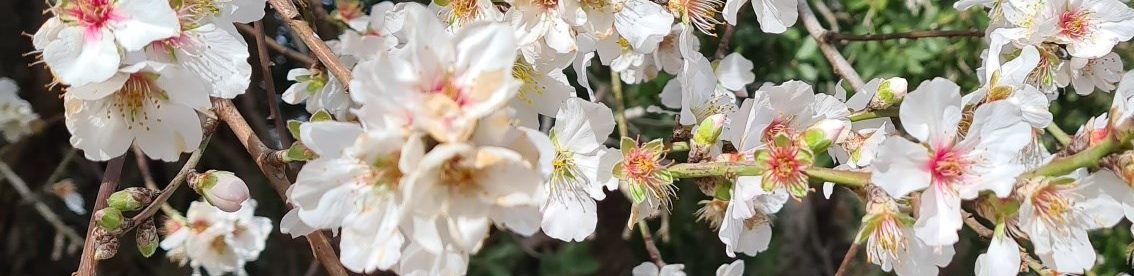
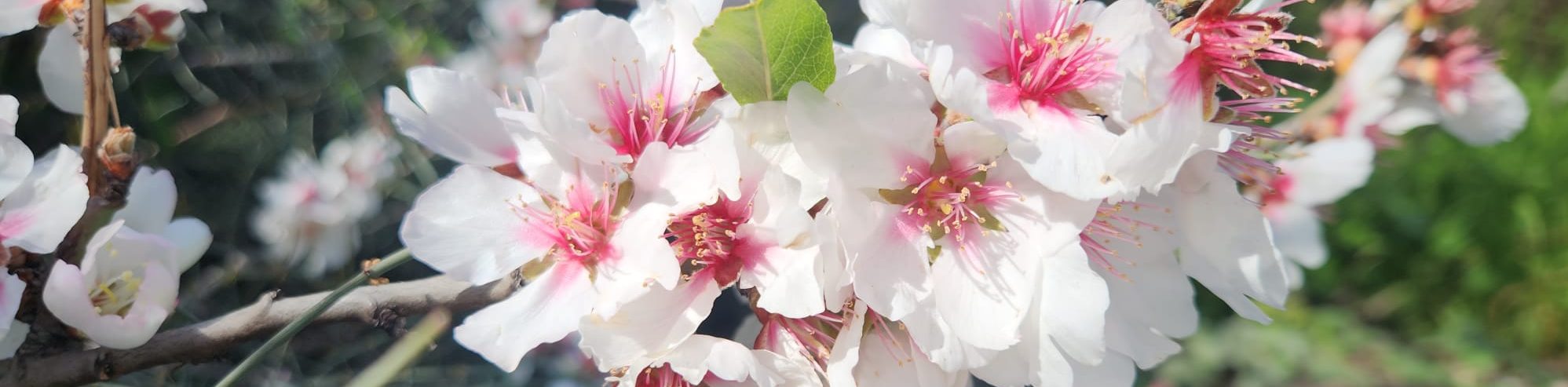
Tu B'Shvat has arrived, the holiday of trees
Tu Bishvat, the New Year's Day of Trees, began not as a holiday, but as one of the bureaucratic New Year's days related to the observance of the mitzvot that depend on the land. Tu Bishvat is the day that separates the fruits of the previous year from the fruits of the new year, and this has implications for many mitzvot.
In the 11th-12th centuries, there are already first references to certain holiday customs on this day, and later it became a holiday celebrated by Jews all over the world in eating fruits and dried fruits and also in reciting the Tu Bishvat Seder.
?And what about planting trees
This waited until the beginning of the 20th century to be linked and connected to the ancient Hebrew date, which was already called Rosh Hashanah of Trees and which was probably considered climatically appropriate for this in the Holy Land.
!?Is that really so
In Israel, most of the rain falls in the months of December-February. A cool November is a common occurrence, but during December there is almost always significant rainfall. This is also the recommended and more convenient time, when the ground is already wet but the cold is not intense, for planting plants and shrubs that are not sensitive to cold. Most of our wild plants and garden plants from Mediterranean climates and of course the cold-loving deciduous fruit trees belong to this group. These plants will establish and sometimes even continue to grow in our mild and wet winter and will arrive in summer strengthened.
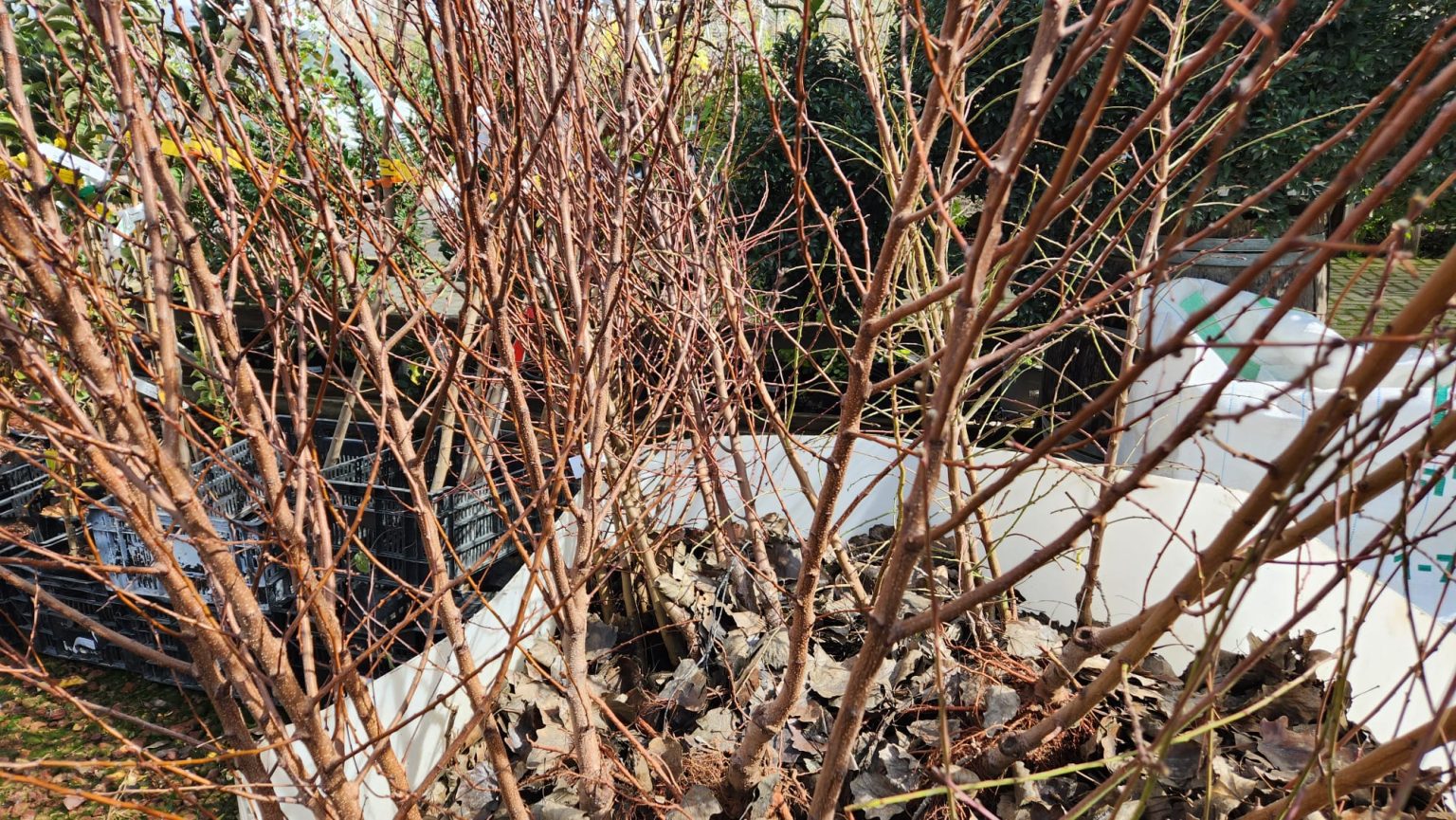
So, since we cannot or do not want to change the date of the beloved holiday, we recommend that you be more considerate of the trees and their needs and certainly continue to plant trees and, even more so, preserve the existing trees as much as you can.
:A few words about planting trees
It is mandatory to water immediately after planting even if the soil is moist (unless you are sure that heavy rains will fall within a few days). Winters in Israel are not uniform and summers are always long and dry, therefore even when planting strong wild trees such as oaks or pistacias at the beginning of winter one has to water the young trees. It is better to water deeply, depending on the size of the tree, at least once or twice a week and throughout the first two years. There is no need to water in winter except during a long rain stoppage.
Want to read more about the importance of trees? You are invited to return to the post we wrote in honor of World Urbanism Day (link in the comments).
לקריאה על ט"ו בשבט בעברית לחצו כאן